Welcome to Googie Store India (Indian Digital Dukaan)

By continuing, you agree to Googie Store Terms of Use and Privacy Policy.



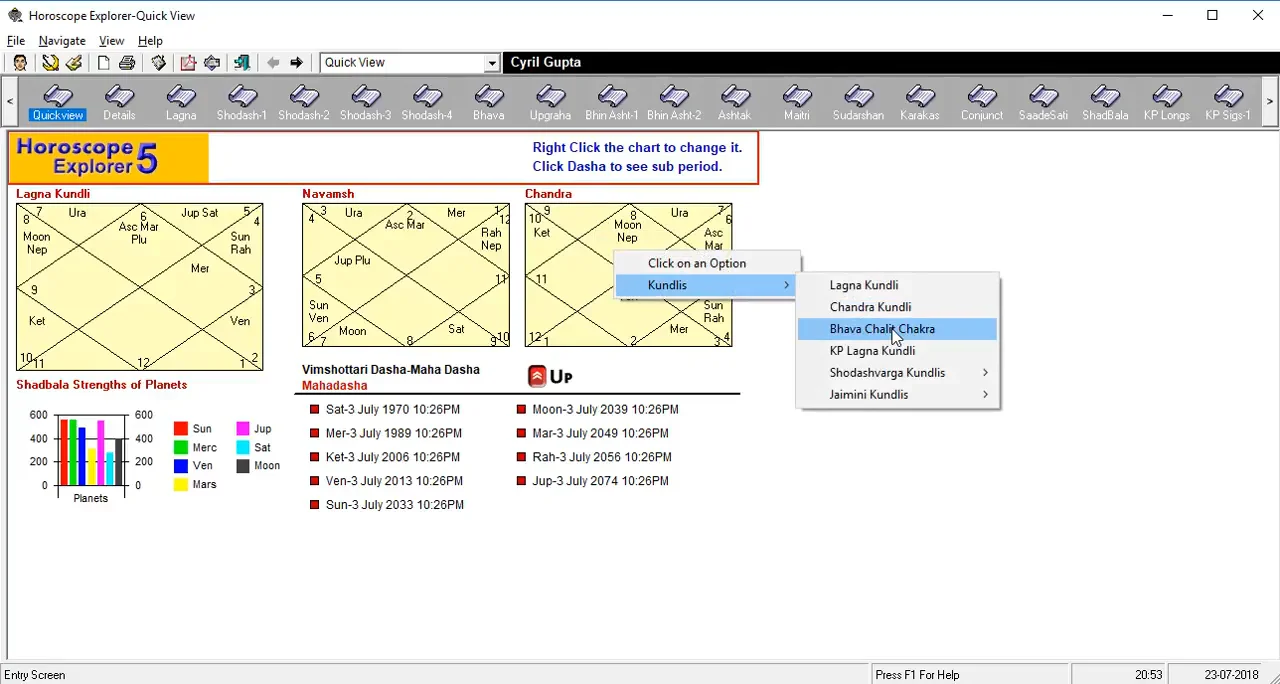
Astro Visual Software's Shop
In Stock
9984 Products Left$1500
$1125
25% OFF


On one of those silent nights, he wound the tin box open and pressed play. The song spilled out—a voice like warm pepper mixed with honey—and the refrain repeated: “Poo maname vaa”—come, oh flower of my heart. It wrapped around him, not asking for anything grand, just for small things: the smell of jasmine in rain, the soft creak of the shop’s wooden door, the weight of an old man’s hand on his shoulder.
Ramesh kept the small MP3 player in a battered tin box beneath his bed, a shrine to evenings he'd rather forget. The player held a single song he’d looped a thousand times: a lilting melody titled "Poo Maname Vaa," its chorus soaked in moonlight and the promise of rain. He didn’t remember where he’d first heard it—maybe a neighbour’s radio, maybe a cracked phone on a train—but the song had a way of pulling memory out of hiding, pressing it into the warm places. poo maname vaa mp3 song download masstamilan exclusive
Years later, a young boy left behind a crumpled recording of his own—his voice trembling while he sang a line from "Poo Maname Vaa." He apologized for the mistakes, then wished Ramesh well. Ramesh listened and smiled until his eyes blurred. The song had passed through him, then through the streets, and now it had nested in another heart. On one of those silent nights, he wound
“You hum that song,” she said, not a question. Ramesh kept the small MP3 player in a
He started taking small walks after closing. The streets were puddled with recent showers and neon signs smeared their colors across the water. The song rode his chest like a companion. He found himself walking farther each night, to the old bridge where stray dogs slept against the railings and fishermen mended nets. Once, as he watched a moth circle a lone yellow lamp, an old woman sat beside him without announcing herself.
He tried. He sang under his breath as he swept the shop’s floor, let the chorus out when he shelved milk bottles. The words didn’t summon anyone back, but they made the air kinder to his loneliness. Customers started lingering a beat longer; a schoolboy asked for two candies and paid with a secret smile; a young woman always bought the same flowers and tucked them behind her ear before hurrying off.
He opened the tin box and pressed play. The song filled the empty spaces as it always had. But now, when he walked the streets at night, people hummed back. Children skipped along the pavement, matching the rhythm. The old woman on the bridge didn't appear again, but someone else offered him tea. The young sister came by every week with a packet of fresh jasmine and a story about her mother’s favorite recipe. The delivery man who’d brought the mixtape called once and then again, until their conversations became habit.
On one of those silent nights, he wound the tin box open and pressed play. The song spilled out—a voice like warm pepper mixed with honey—and the refrain repeated: “Poo maname vaa”—come, oh flower of my heart. It wrapped around him, not asking for anything grand, just for small things: the smell of jasmine in rain, the soft creak of the shop’s wooden door, the weight of an old man’s hand on his shoulder.
Ramesh kept the small MP3 player in a battered tin box beneath his bed, a shrine to evenings he'd rather forget. The player held a single song he’d looped a thousand times: a lilting melody titled "Poo Maname Vaa," its chorus soaked in moonlight and the promise of rain. He didn’t remember where he’d first heard it—maybe a neighbour’s radio, maybe a cracked phone on a train—but the song had a way of pulling memory out of hiding, pressing it into the warm places.
Years later, a young boy left behind a crumpled recording of his own—his voice trembling while he sang a line from "Poo Maname Vaa." He apologized for the mistakes, then wished Ramesh well. Ramesh listened and smiled until his eyes blurred. The song had passed through him, then through the streets, and now it had nested in another heart.
“You hum that song,” she said, not a question.
He started taking small walks after closing. The streets were puddled with recent showers and neon signs smeared their colors across the water. The song rode his chest like a companion. He found himself walking farther each night, to the old bridge where stray dogs slept against the railings and fishermen mended nets. Once, as he watched a moth circle a lone yellow lamp, an old woman sat beside him without announcing herself.
He tried. He sang under his breath as he swept the shop’s floor, let the chorus out when he shelved milk bottles. The words didn’t summon anyone back, but they made the air kinder to his loneliness. Customers started lingering a beat longer; a schoolboy asked for two candies and paid with a secret smile; a young woman always bought the same flowers and tucked them behind her ear before hurrying off.
He opened the tin box and pressed play. The song filled the empty spaces as it always had. But now, when he walked the streets at night, people hummed back. Children skipped along the pavement, matching the rhythm. The old woman on the bridge didn't appear again, but someone else offered him tea. The young sister came by every week with a packet of fresh jasmine and a story about her mother’s favorite recipe. The delivery man who’d brought the mixtape called once and then again, until their conversations became habit.
 Astrology Software
 Electronics
  Home Regular Usage Products
  Food Items
  Medicare Products
  Pujan Samagri
 New TV Connection
  Movie
Movie Software Products
  Competitive Exam Notes