Roy Whitlow Basic Soil Mechanics 〈SAFE • RELEASE〉
Roy Whitlow had a way of finding stories in soil.
When he died, the county replaces him with manuals and sensors, good tools all. But people still talk about Roy Whitlow the way they talk about a good bridge: plain, reliable, made by someone who listened to what was underfoot and let the land teach him how to build. roy whitlow basic soil mechanics
He grew up with dirt under his fingernails on a small farm that edged into the scrubby red clay of a Midwest county. As a boy he learned that soil was not just ground to plant corn in; it was a record, a partner, a stubborn teacher. He would press a handful to his nose and grin — humid loam, chalky dust, the metallic sting of iron-rich clay after a storm. Those scents told him more than neighbors ever would. Roy Whitlow had a way of finding stories in soil
The first auger samples told him what the contractor’s hurried senses had missed: a shallow lens of organic silt trapped between layers of denser sand and a surprisingly soft, dark clay beneath. Water collected in that lens after each rain, and when trucks rolled across the bridge, the saturated layer redistributed stresses unevenly. That explained the tilt, but it also raised a quieter concern — the new abutment, if founded without care, could trigger a deeper, slower failure as the clay consolidated. He grew up with dirt under his fingernails
He recommended three small, practical things: strip the organic layer, install a drained gravel buffer, and set the footing slightly wider with short, controlled surcharges during construction to pre-consolidate the soft clay. No exotic piling, no costly import of rock; just working with the land’s memory rather than against it.
Years later, after the county replaced dozens of structures without drama, Roy still walked the countryside. He kept a battered field notebook and an old pen. Sometimes he would sit on a culvert, sketching a cross-section of a bank and imagining how the seasons would rearrange it. He liked to build small experiments in empty lots — a trench here, a gravel pocket there — and watch what happened when rain met design.
Roy sketched cross-sections in his notebook the way some men doodle cars or football plays. He wrote down numbers: estimated bearing capacity, anticipated consolidation settlement, a simple factor-of-safety. Then he walked the field behind the bridge and found an old drainage ditch choked with reed and bottlebrush. It had once taken water away but had been neglected for years. That would explain the perched water table.

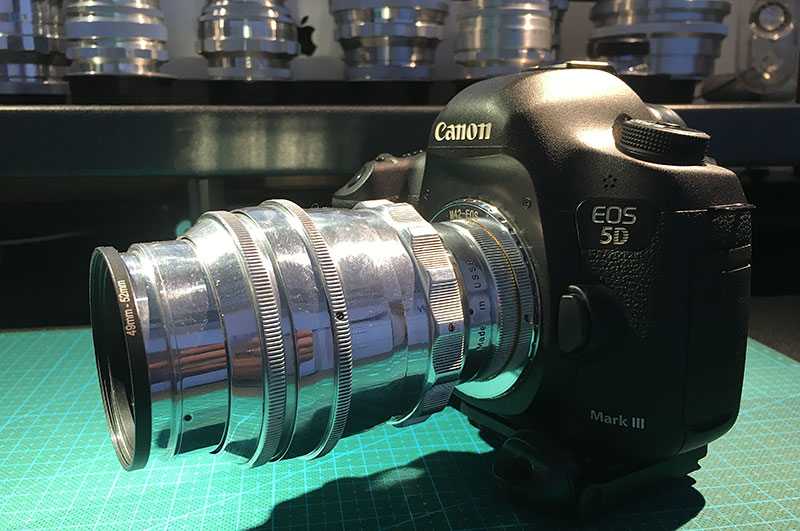
The Legendary Helios-40 1.5/85mm