About Us
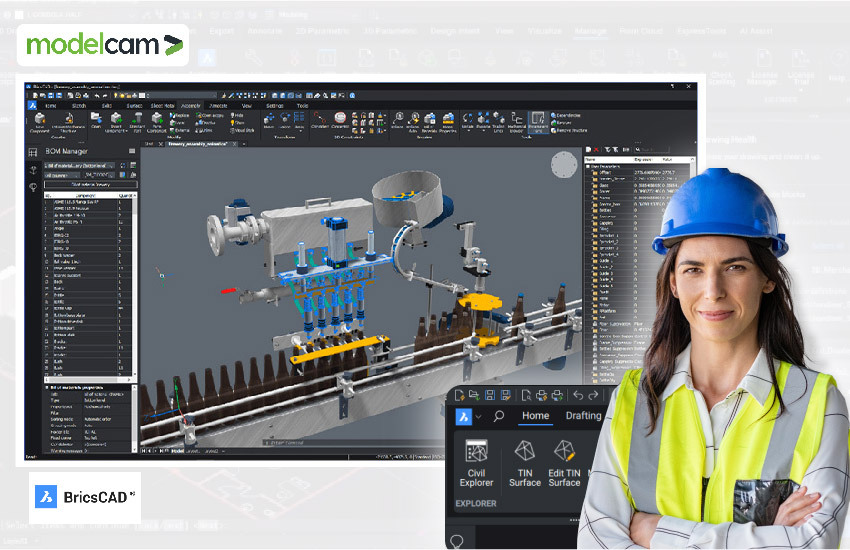
Modelcam Technologies provides a wide variety of Services from ART to PART from Concept Design to Industrial Modeling and Analysis for final Manufacturing.
They say that if you stand under the red arch on a rainy night and tune a radio just so, you can hear something like a hand being offered—a list of small things to do that might make your life softer. Whether the voice is Rahatu, or a chorus of neighbors, or the city itself learning to repair its heart, matters less than the listening.
“—Rahat?”
A pause. A laugh that smelled of cardamom and late-night stories. “It’s Rahatu,” the voice said. “Do you hear me?”
For the next few nights, the voice returned at the same hour—late, when the rain made the city soft and the shop lights pooled. Rahatu spoke of small things: the exact pattern of a neighbor’s laugh, what the alley smelled like after the ferry had come in, how to coax life back into a brass lamp filament. Sometimes she would sing, in a language that melted into the static, and Rahat would trace the radio’s casings with his fingers to feel the vibrations.
She pointed—no, her voice gestured—to a small square of ground near the arch. Rahat dug with his hands until his nails went black with wet earth. There, wrapped in oilcloth, was a letter addressed to him in handwriting he hadn't seen in years—his mother’s, shaky but unmistakable. He sat down, knees damp, and read.
As Rahat followed them, the town’s edges grew softer. People began to treat their small wrongs as repairable. The tram ran one more time. A man who had painted only black his whole life took a second look at a faded wall and found a way to paint a bird. The tea stall woman started leaving a little cup of mint for anyone who looked tired.
Modelcam Technologies provides a wide variety of Services from ART to PART from Concept Design to Industrial Modeling and Analysis for final Manufacturing.
©Copyright 2026. All rights reserved by Modelcam Technologies Private Limited PUNE.