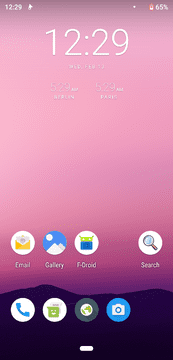
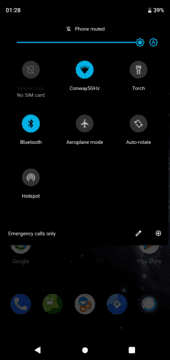

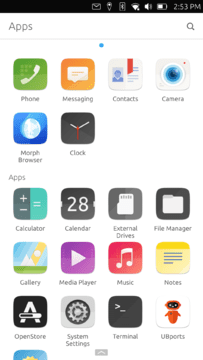
Even though we encourage you to build for your own device - and learn a lot in the process! - we realize that not everyone has the luxury of a fast computer.
This page contains a collection of public builds that the developers in this community provide.
Table of Contents
In the quiet hinterlands of computing, where tools multiply and names blur into acronyms, the zxdl script arrives like an enigmatic hand-lettered signpost. Not loudly marketed, not wrapped in corporate polish, zxdl is the kind of small, purposeful program that rewards curiosity: a slender bridge between intent and result, built to move data, automate a tedious task, or stitch disparate pieces of a workflow into something coherent. That unassuming function—doing one job well—is the thread that makes zxdl remarkable.
Beyond utility, zxdl demonstrates a culture of craftsmanship. Its contributors (if there are multiple hands) show respect for other developers: thoughtful commit messages, incremental improvements, and tests that assert behavior rather than implementation detail. Those cultural signals matter. They turn a solitary script into a collective memory—something future maintainers can trust, extend, and learn from. In that sense, zxdl is as much a pedagogical object as it is a utility. zxdl script
At its core, zxdl reads like a craft object: compact, readable, and pragmatic. Its design favors clarity over cleverness. Variables are named; control flows are explicit. Where many scripts succumb to arcane shortcuts and dense one-liners, zxdl opts for transparency. This quality makes it not only easier to maintain but also to adapt. A developer encountering zxdl for the first time does not need to decode layers of obfuscation—the script invites inspection, modification, and reuse. In the quiet hinterlands of computing, where tools
What makes zxdl especially noteworthy is its portability. Written to lean on widely available utilities and to avoid heavy, platform-specific dependencies, the script runs across diverse systems with minimal friction. This portability is an act of humility—an acknowledgement that software must meet people where they are, not demand an ideal environment. The result is a small, durable artifact that can be dropped into ad-hoc workflows, invoked from cron jobs, or wrapped into larger automation pipelines. Beyond utility, zxdl demonstrates a culture of craftsmanship
Note: This is an unofficial community page about the Open Devices Project by Sony. For the official website, refer to Open Devices · Sony.com. This page is neither affiliated with nor endorsed by Sony or any of its subsidiaries.